

Why Should Your Business Adopt Reusable Stainless Steel Straws?
The combination of customer satisfaction and appreciation that small, yet effective sustainable switches can bring, with cost savings in consideration, make choosing stainless steel straws a business no-brainer. Look for other ways you can save money in the long run and make a lasting impression with your customers to keep them coming back.

Is Recycling Plastic Worth It?
The key to understanding recycling is to know what your local recyclers will and will not accept and under what conditions. Obviously, continue to recycle your glass, paper, cardboard, aluminum, and other metals because they are quite sustainable. But when it comes to being an eco-friendly shopper it is critical to understand that just because a product has the chasing arrows on it doesn’t mean it is sustainable, recyclable, or good for the environment.

6 Simple Tips for a Sustainable Lifestyle
The growing population is leading to an increase in waste production, which is not only harming the environment at present but will also affect the generations to come. It is time we start thinking of our choices and shift to sustainable living practices to conserve the earth’s natural resources. There are some simple ways you can start off with and a step-by-step approach to minimize your environmental footprint.

School Environmental Fundraising Ideas
Fundraising is an excellent way for schools to generate extra income for various school events, programs, and causes. Involving students in the process helps build many skills, including leadership, management, and organizational skills.

5 Easy Ways to Live a Sustainable Lifestyle
To some, living a more sustainable lifestyle may sound restrictive, dull, or impossible. Some may believe in order to live sustainably, you need to transform your life completely. Sure, that’s an option, but sustainable lifestyles are born through education followed by little habits.
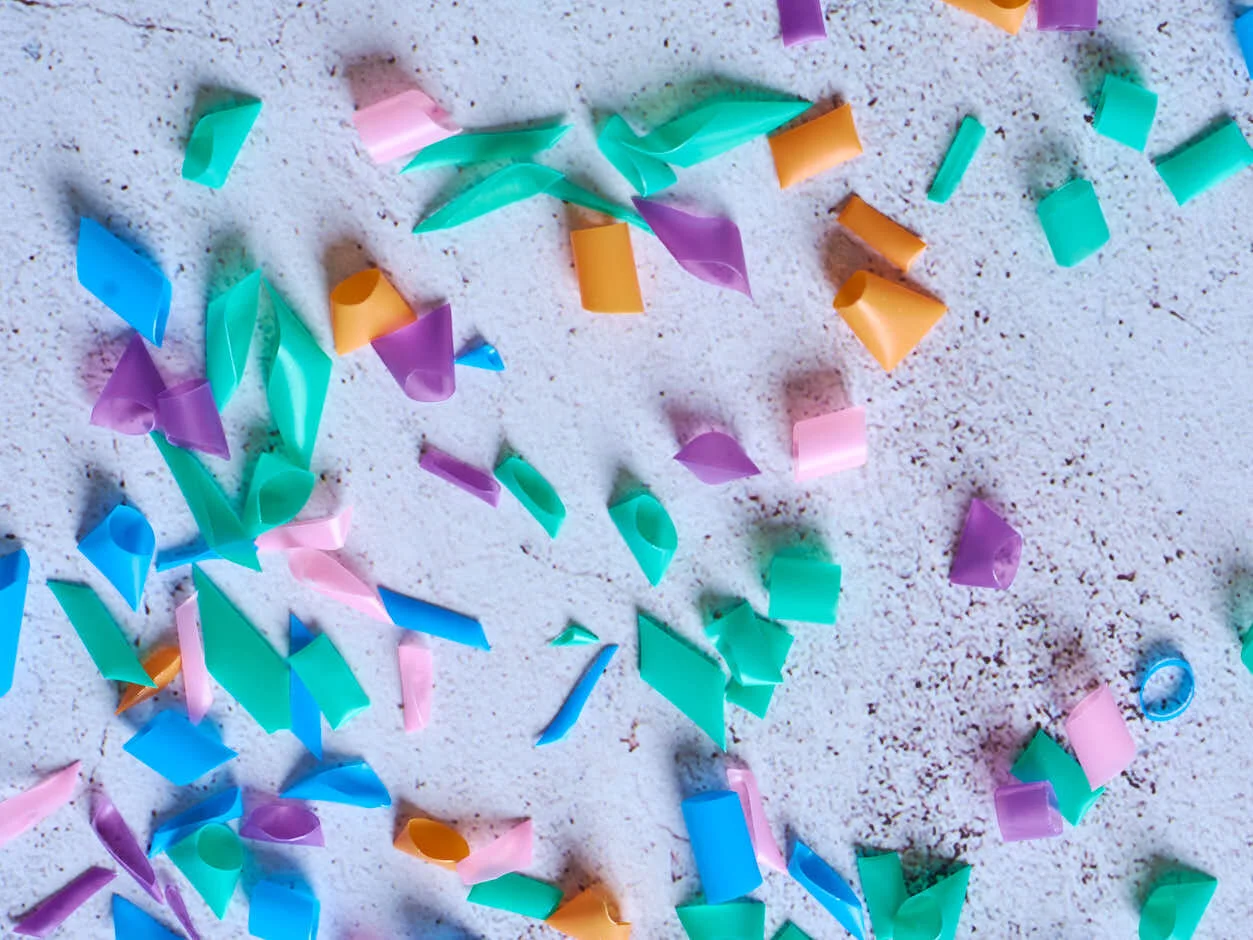
What are microplastics and why are they harmful?
It’s proving very difficult to remove microplastics from the environment because of their size, which is why the best way for us to tackle them is by reducing our production of them – saying no to cosmetics containing microbeads, avoiding synthetic clothing, and eliminating as much plastic (especially single-use) from our lives as possible.

Reasons to Care About the Environment
Finding solutions for combating climate change, or protecting biodiversity are all affecting generations to come. Taking action now can help future generations to not only survive but thrive. Because as humans disastrous things have happened and it’s up to us to determine how to fix these situations. Spreading awareness for protecting the Earth is critical to our future.

5 Tips For Being Kinder to the Planet
The famous quote, “knowledge is power”, could not be more true when related to environmental advocacy. When you pick up environmental tips that you enjoy and are effective, share them! Let others in your circle know how and why you do them, and let it start a domino effect. If many of us just did one kind thing for the planet each day, the outcomes would be extraordinary.

The Facts About PLA Straws
In terms of environmental psychology, some experts have claimed that customers without knowledge of these straws will fail to see the difference between these straws and plastic straws. This takes away from the purpose of educating the public on the larger environmental issues at hand. Also, while PLA straws are compostable, they actually need very specific conditions in order to fully break down as intended.

Common Types of Reusable Drinking Straws and What Makes them Different
Through awareness and excellent marketing, especially on social media, reusable straws have gained great reviews and uptake by the public. Where there used to be few reusable options, there now appears to be a plethora. Many may wonder what reusable options are best for them, and what options have been well-reviewed.

Plastic vs. Stainless Steel Drinking Straws: Who Wins?
Of all plastics sent to be recycled in the United States, 9% are recycled on average. This percentage has stabilized since roughly 2012, despite increased awareness about recycling and plastic pollution.